The AI War Isn't Just About Chips
The chip is only one part of a much larger machine; any link can stop the service.
Money. Power. Secrets.
Investigate. Decode. Simulate.
We investigate the deals, decode the system and simulate the decisions about the money, power and secrets behind AI. Every fact sourced, every simulation labelled.

Four formats
Investigative documentaries exposing the deals, financial relationships, hidden dependencies, and corporate strategies shaping the technology industry. Based on real events and verifiable evidence.
2 films
Strategic simulations where technology giants face high-stakes decisions, economic shocks, and competitive battles. Explore how different choices could reshape industries.
5 films
Visual explainers revealing how technology infrastructure, business models, and financial systems actually work—from AI data centers to semiconductor supply chains.
2 films
Fast-paced, cinematic mini-documentaries made for your phone breaking down major technology developments, conflicts, and turning points in under three minutes.
2 films
Season 1
A beginner's map of the six gates behind every AI answer.
Who controls the computing power behind AI, and what happens when a critical dependency fails?
Season 2
Who pays for the AI boom, who lends, and what happens when the collateral loses value.
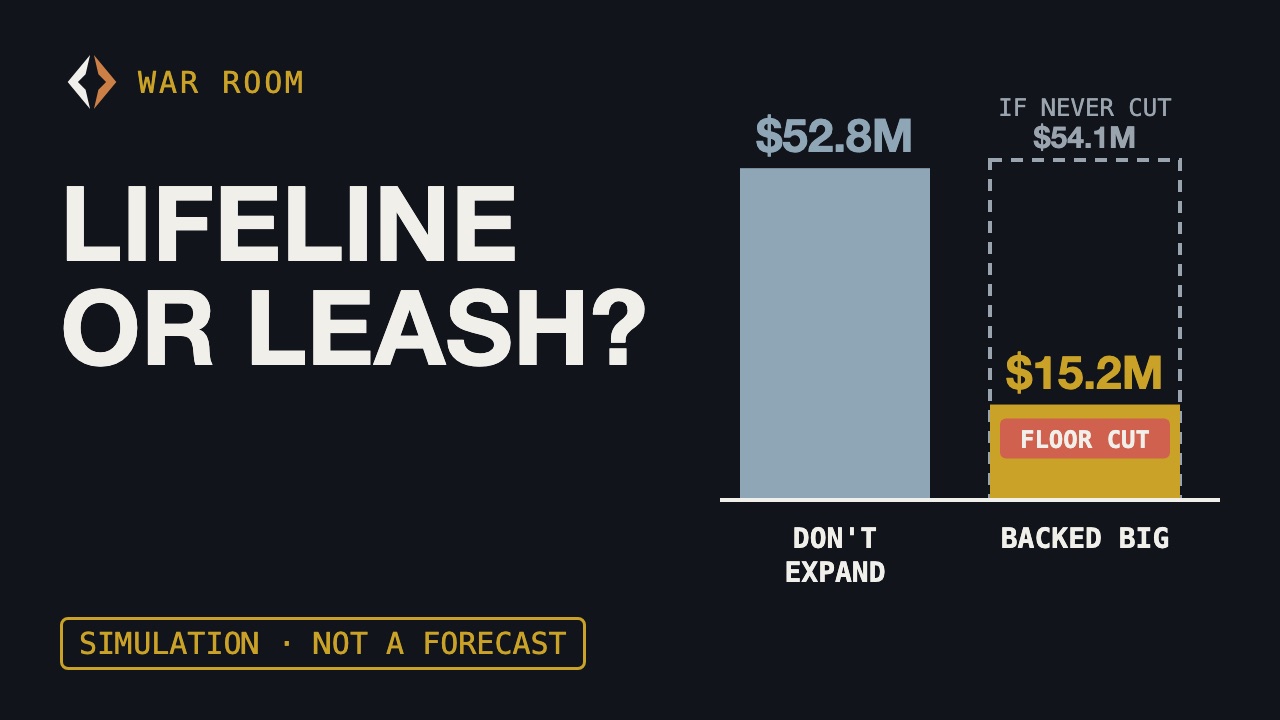
When your chip supplier backs your loans, is that a lifeline or a leash?
Season 3
The single suppliers, machines and factory steps that decide how many AI chips can exist.
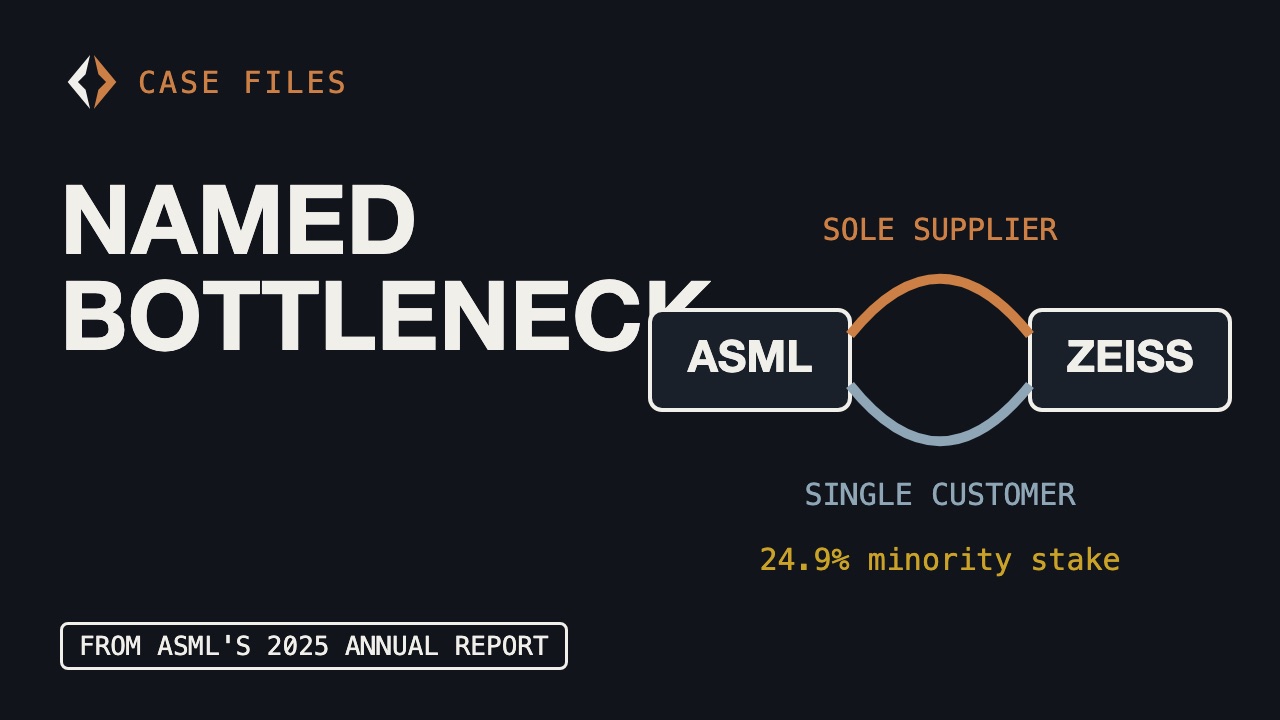
If ASML builds the most advanced chip-making machines, why does its own annual report say one outside supplier limits how many it can build?
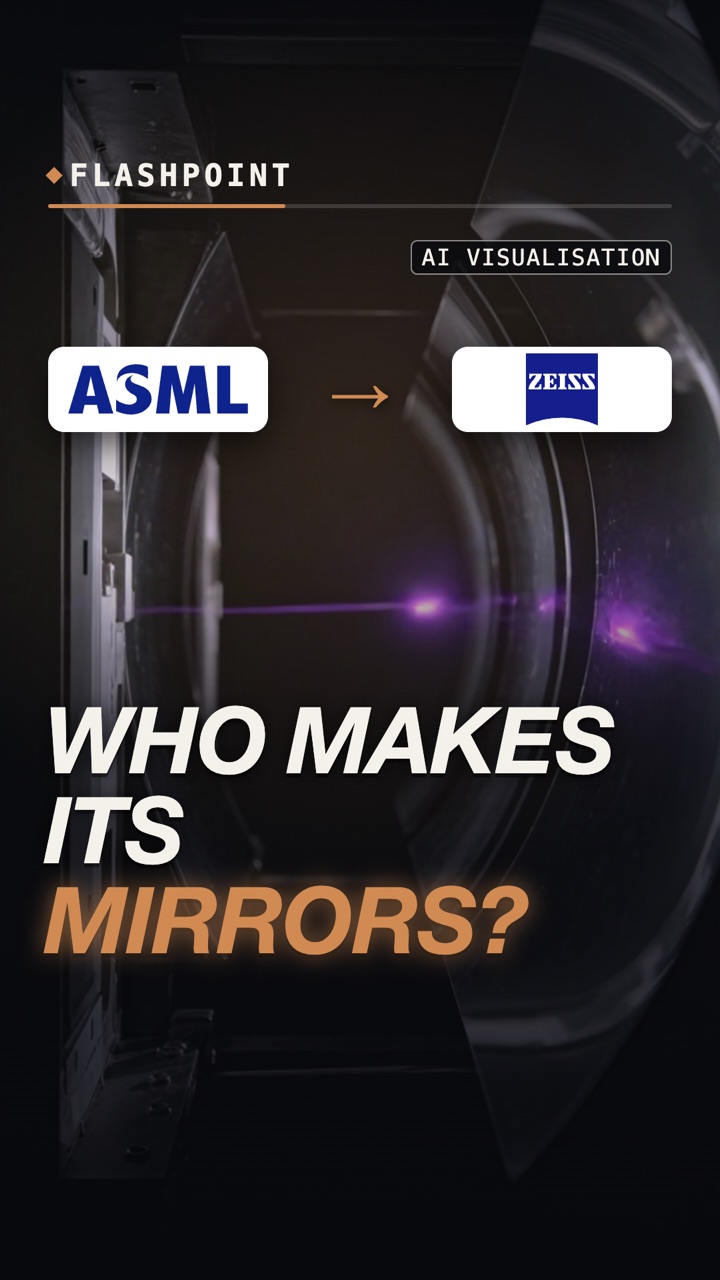
The chip is only one part of a much larger machine; any link can stop the service.
The intelligence may be digital, but the business is physical: chips, memory, racks, power, money and rules each have their own owners and limits.
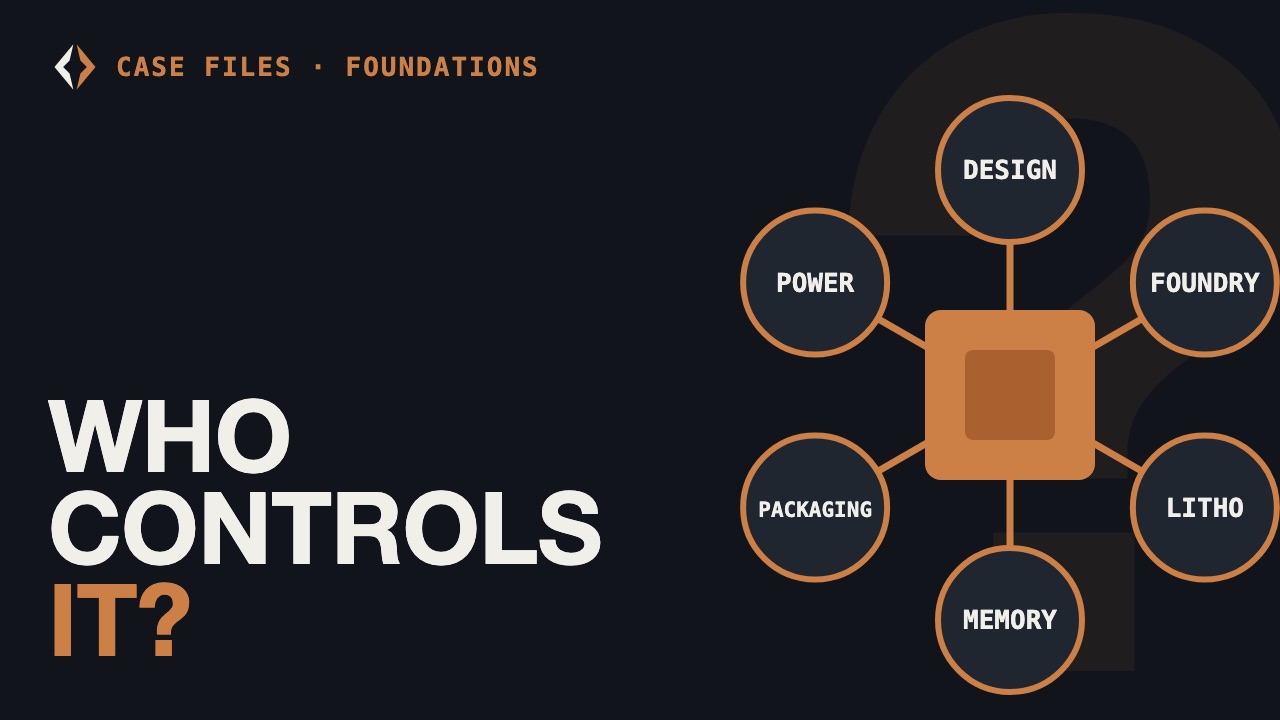
Headlines ask who 'controls AI chips'; the public records show a map of who could delay whom, and what stays unknown.
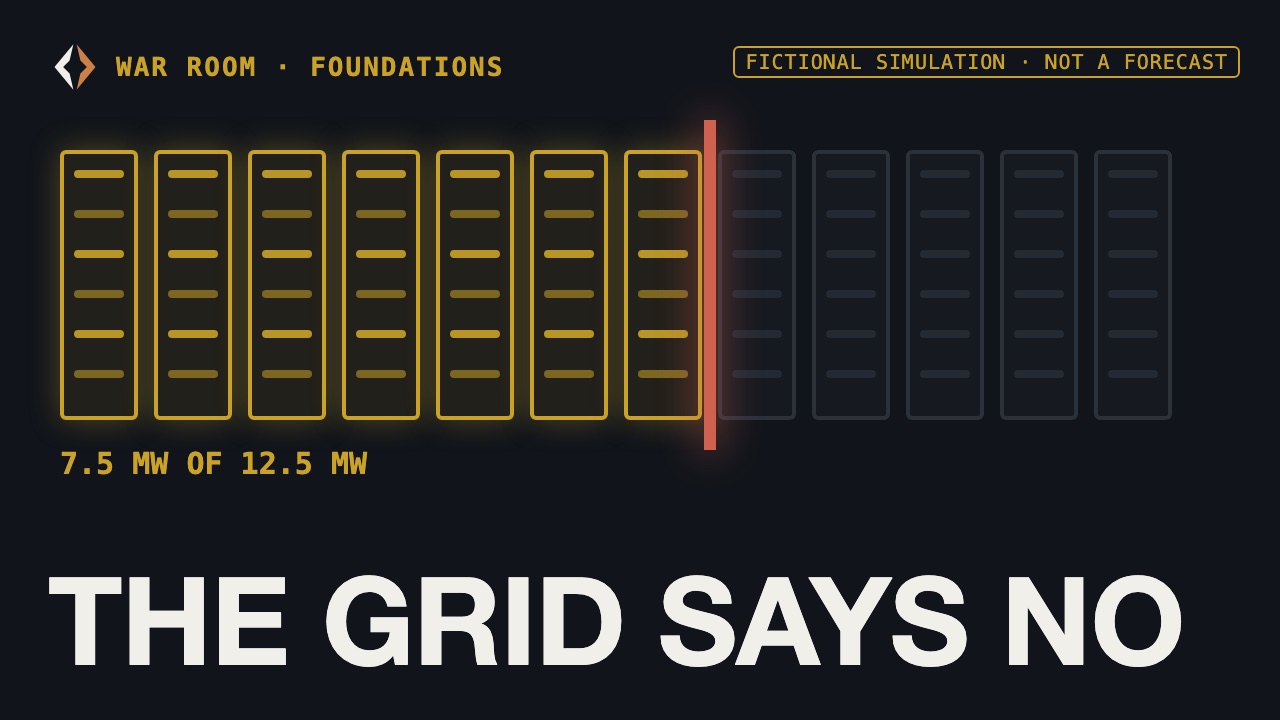
Power delays turn chips into idle capital; the value of a year depends on demand, competition and alternatives.
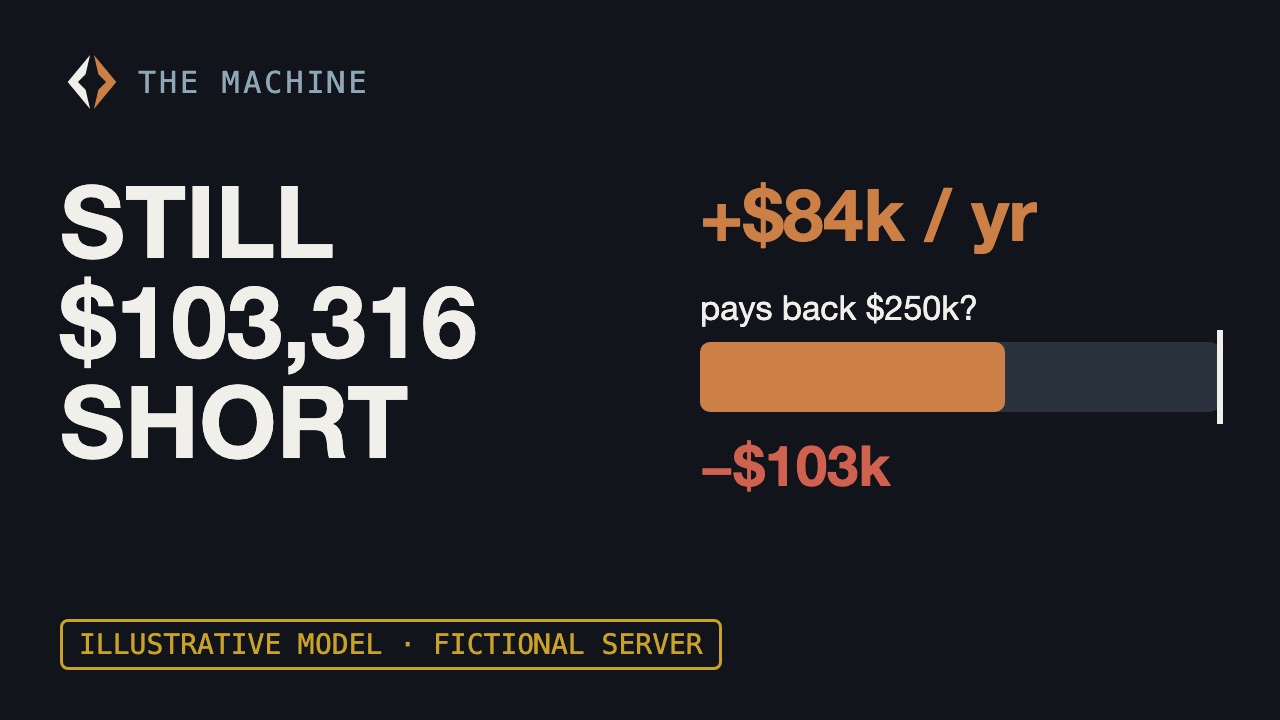
Anyone who sees a large yearly cash figure next to a big purchase price can make the same mistake. The yearly flow and the recovery of the purchase are two different questions.
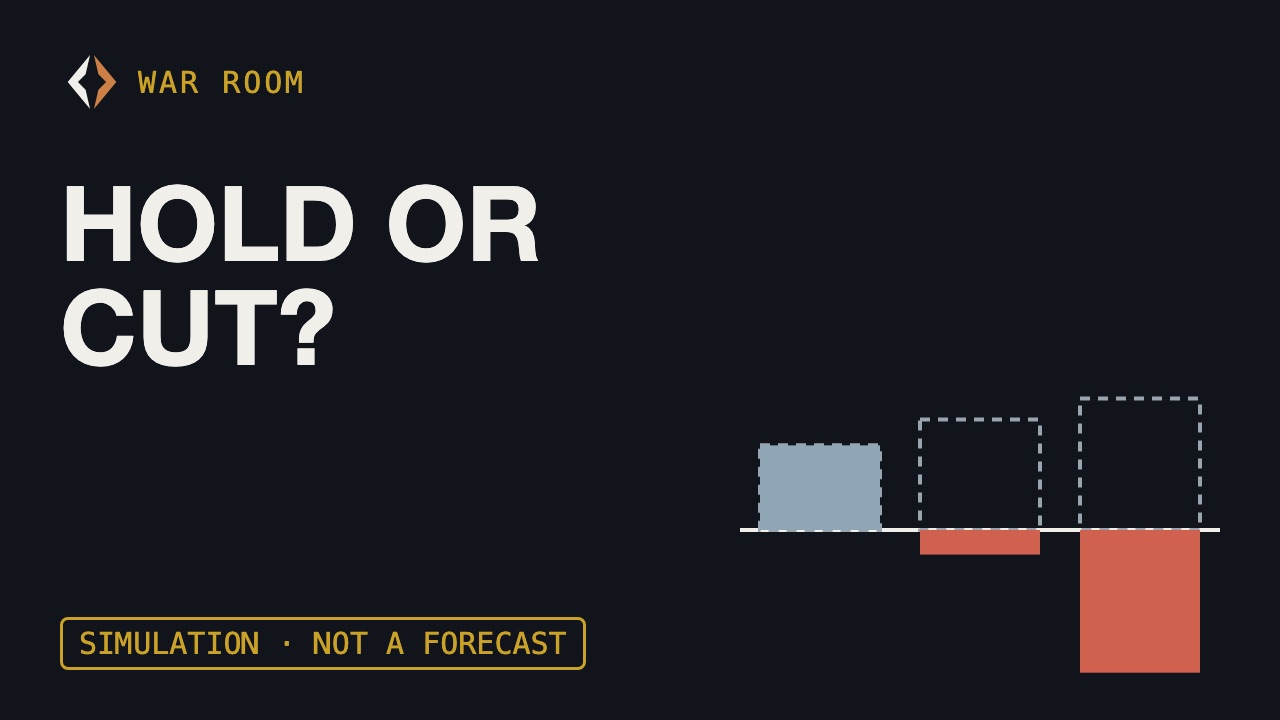
Any business that cuts prices to win back customers is betting on how strongly customers respond. That response is the one input nobody can observe in advance.
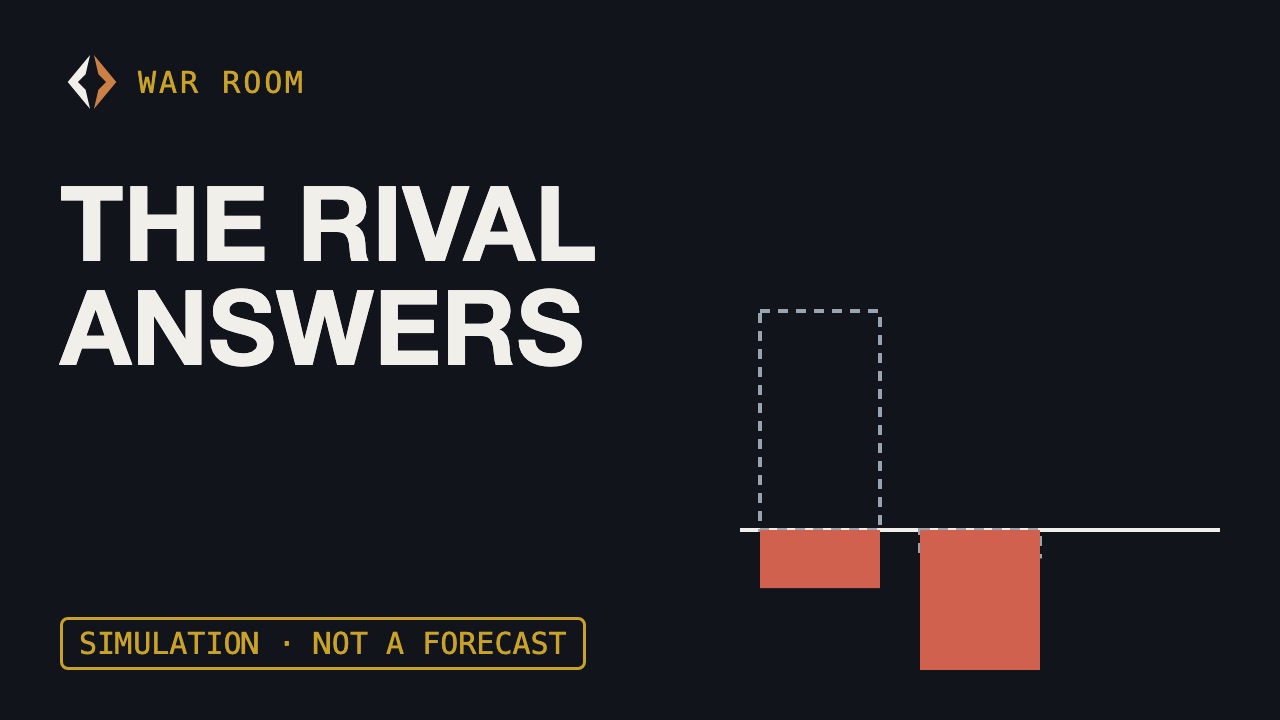
Any price cut is a move against someone who can respond. The cut can look like a clear win until the other side answers, and you only learn how they respond after you have committed.
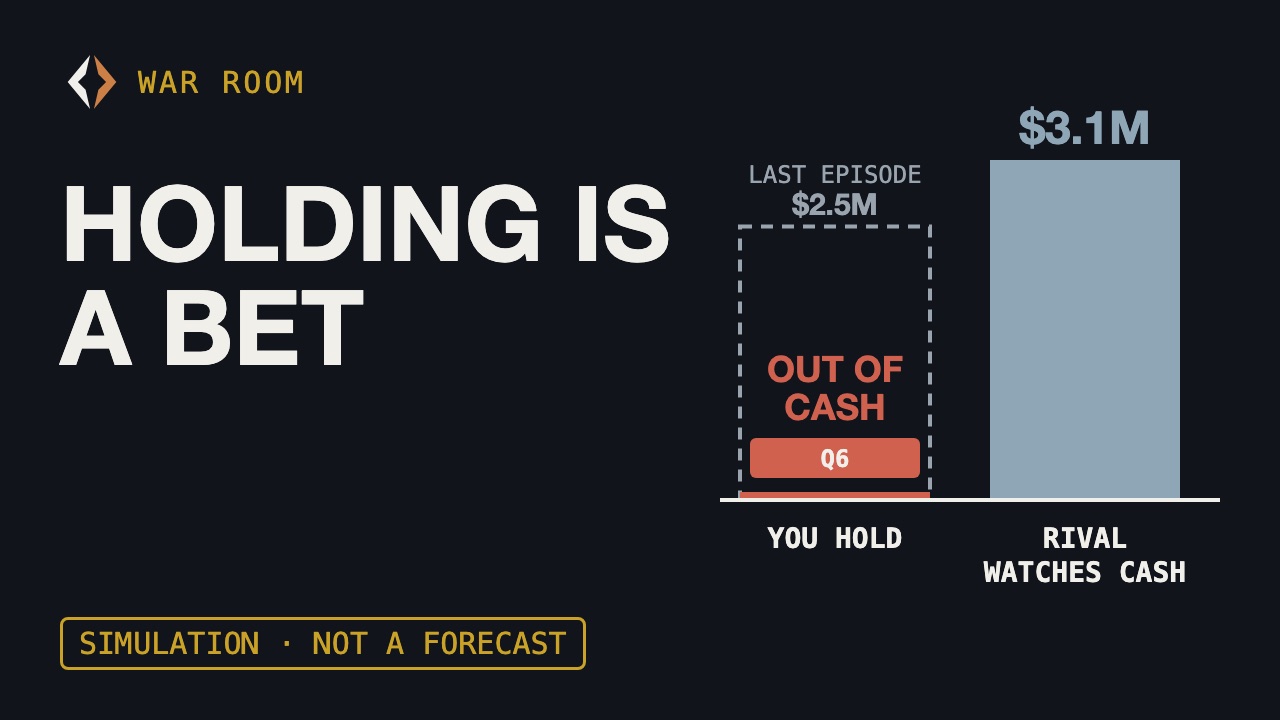
A habit that looked safe can stop being safe once someone else can see your weak point. This model shows that change on a small board, with rules anyone can check.
GPU cloud companies borrow heavily to buy chips. If the lender and the supplier are tied together, the terms of that support decide who is exposed when demand drops.
The chips in everyday devices are printed by these machines. By ASML's own account, how many machines it can build depends on one optics maker's capacity.
Advanced chips depend on these machines. A documented limit on how many can be built is therefore a documented limit on a key link in the chip supply chain.
No films in this view yet.
On the record
ASML says its EUV lithography prints microchips using light with a wavelength of 13.5 nm.
“prints microchips using light with a wavelength of just 13.5 nm”